

Referral Campaigns We Love: Australian Brands (AU)
Global support isn’t just an added feature—it’s the foundation of our service. We excel in managing complex logistics across languages,…
Read the Article




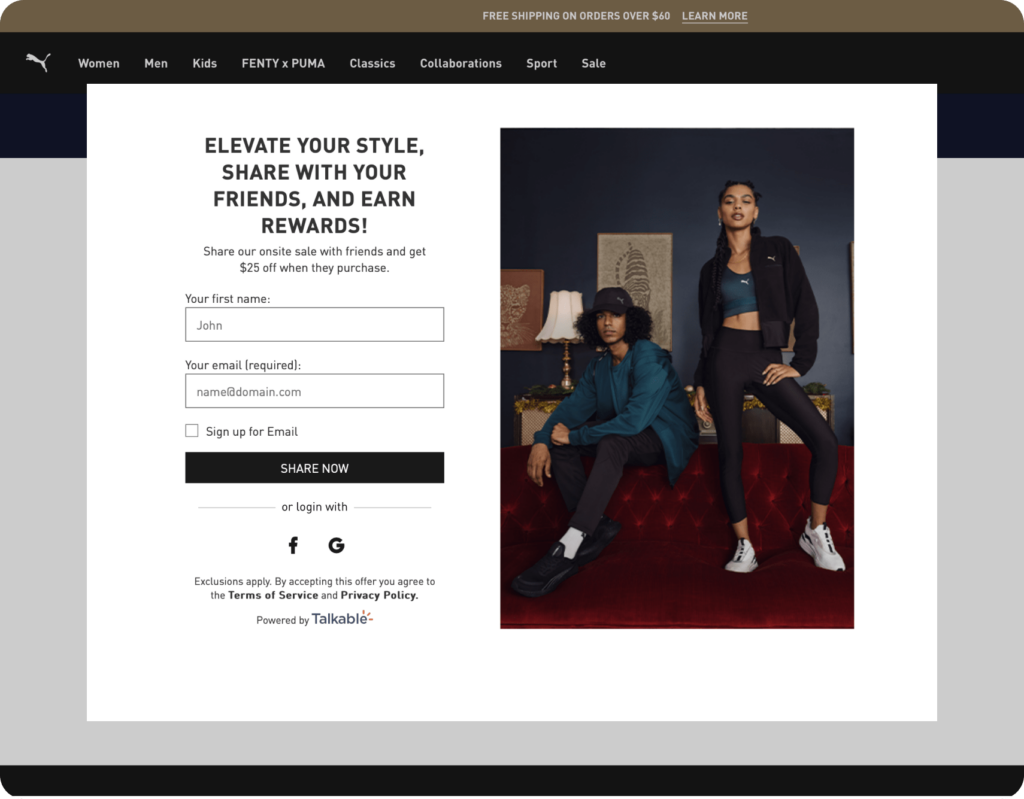
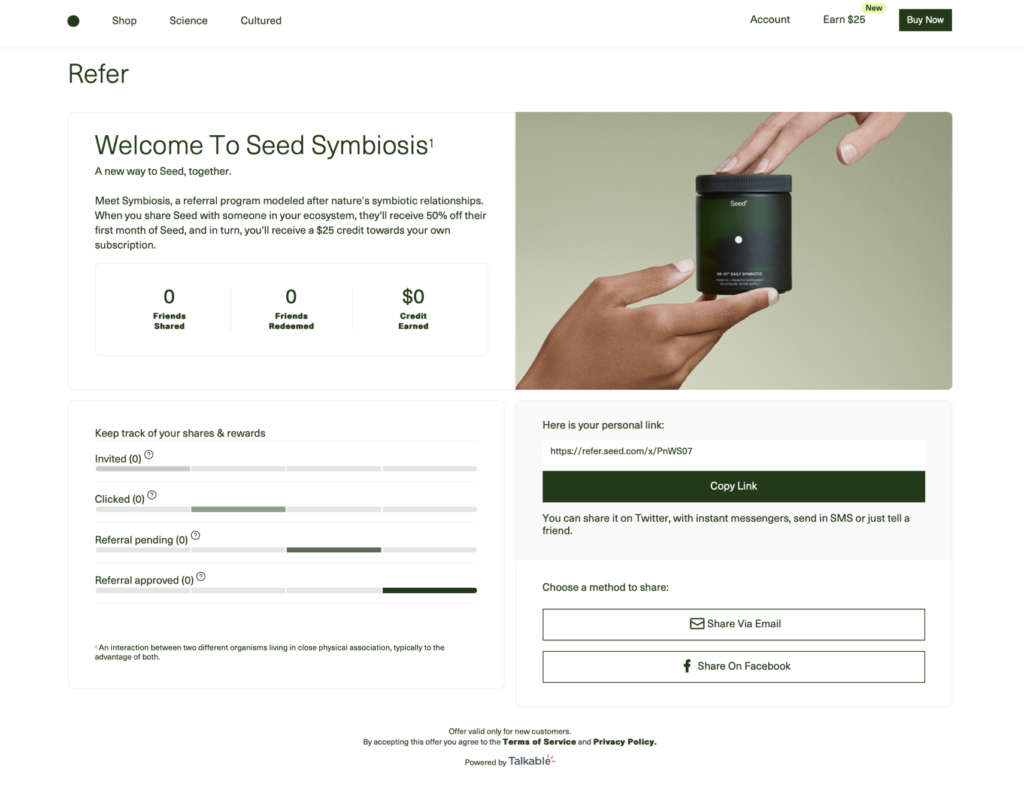
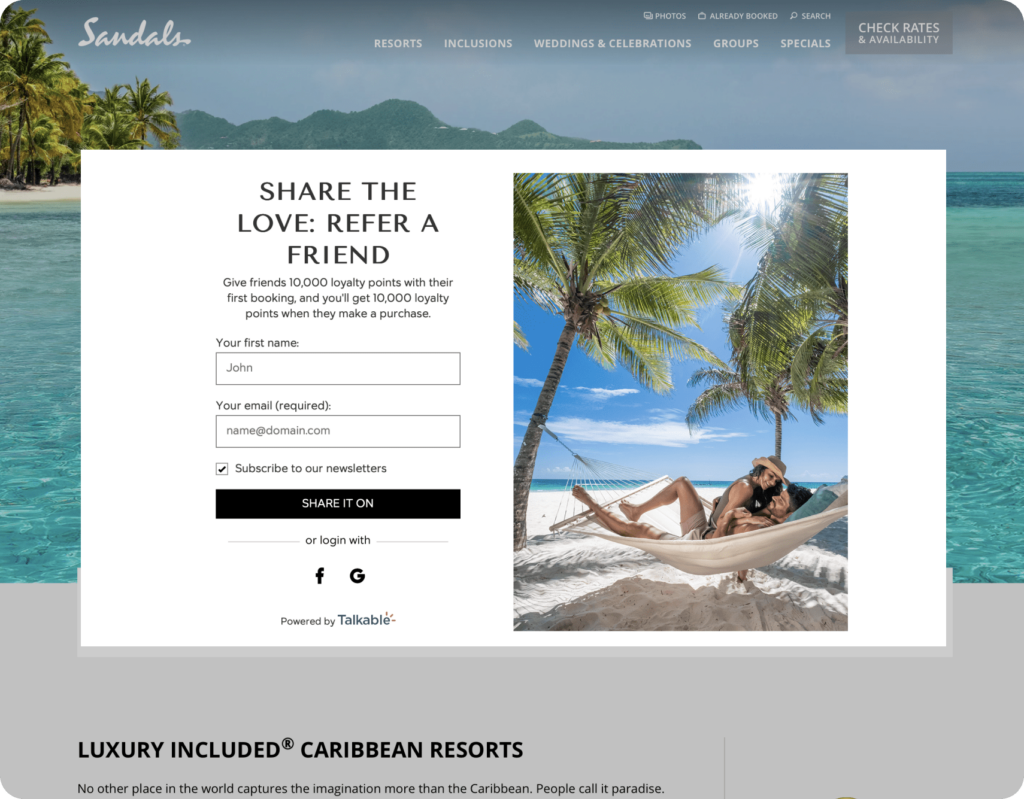
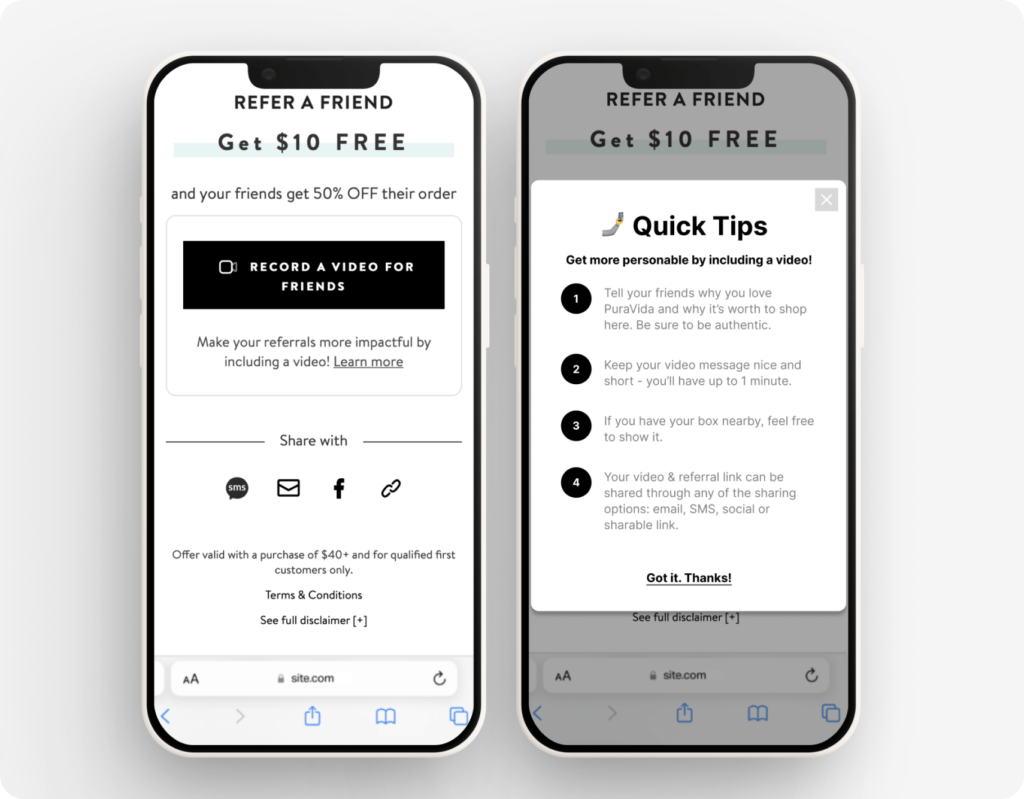
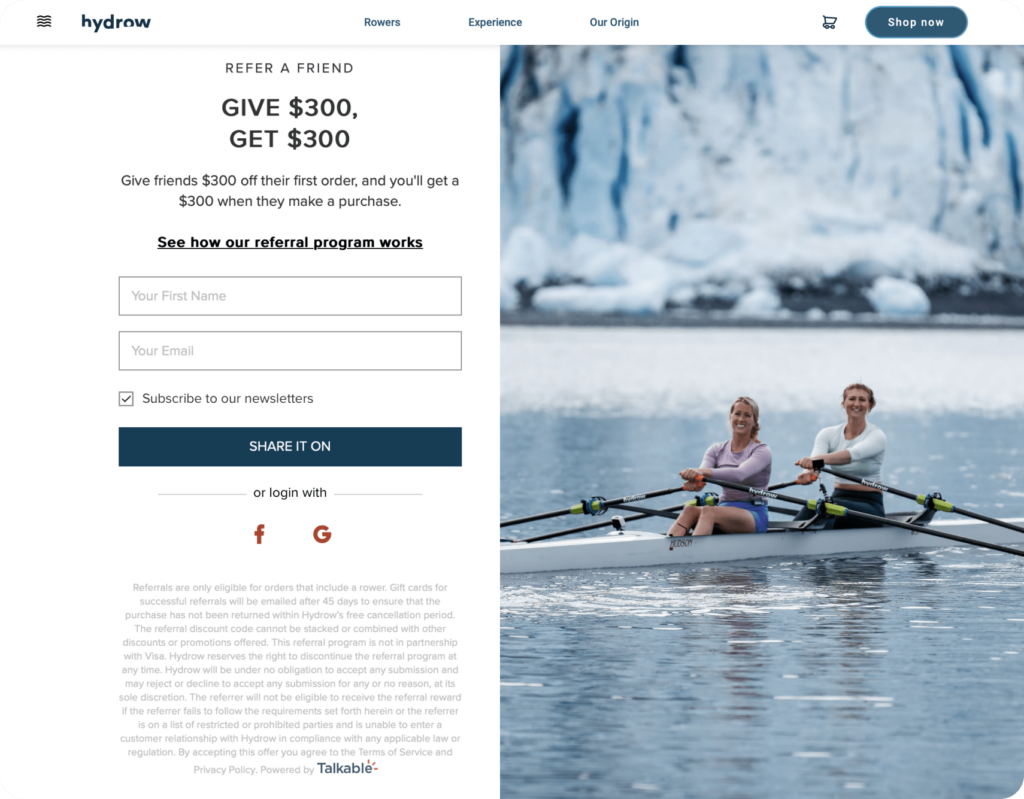
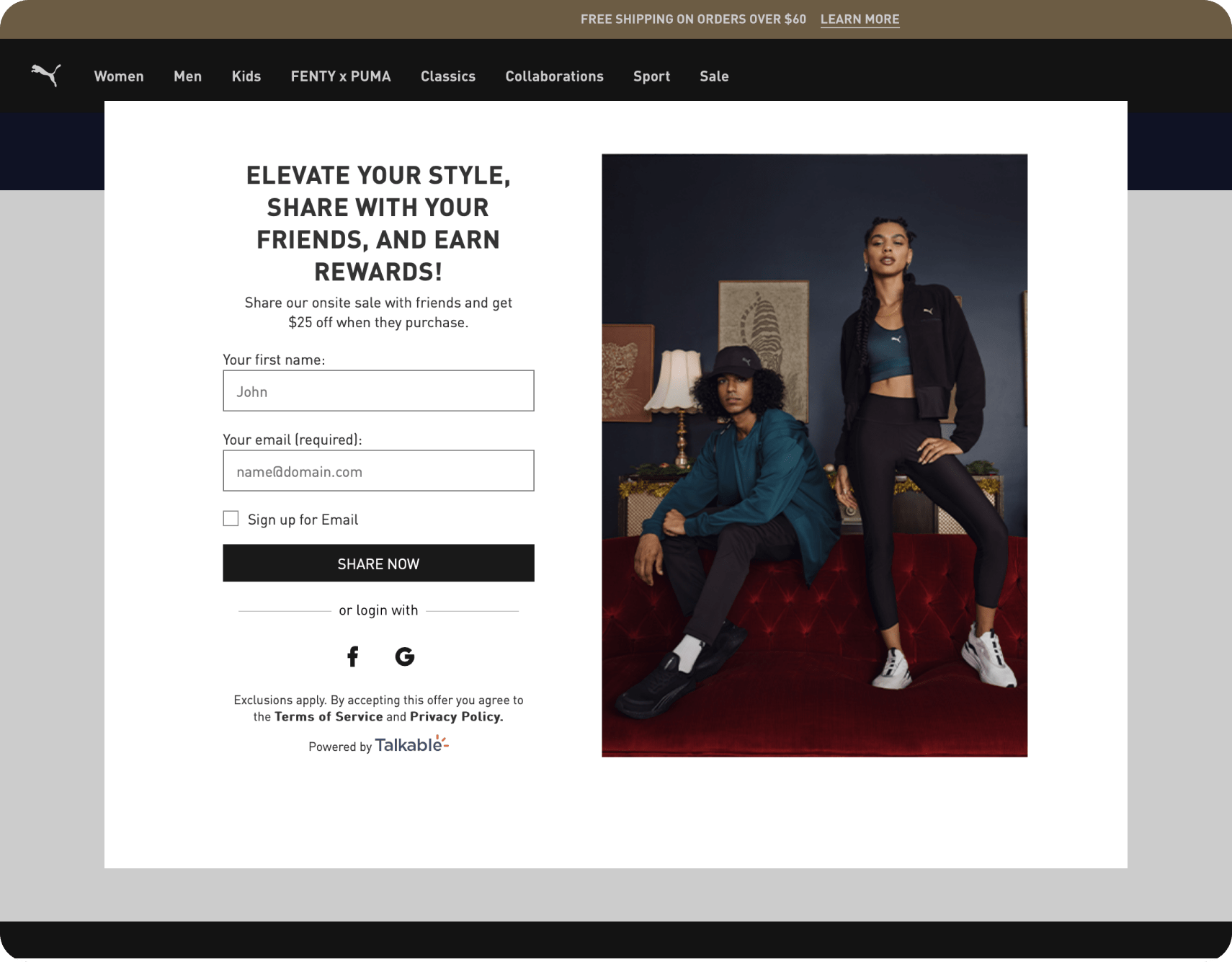
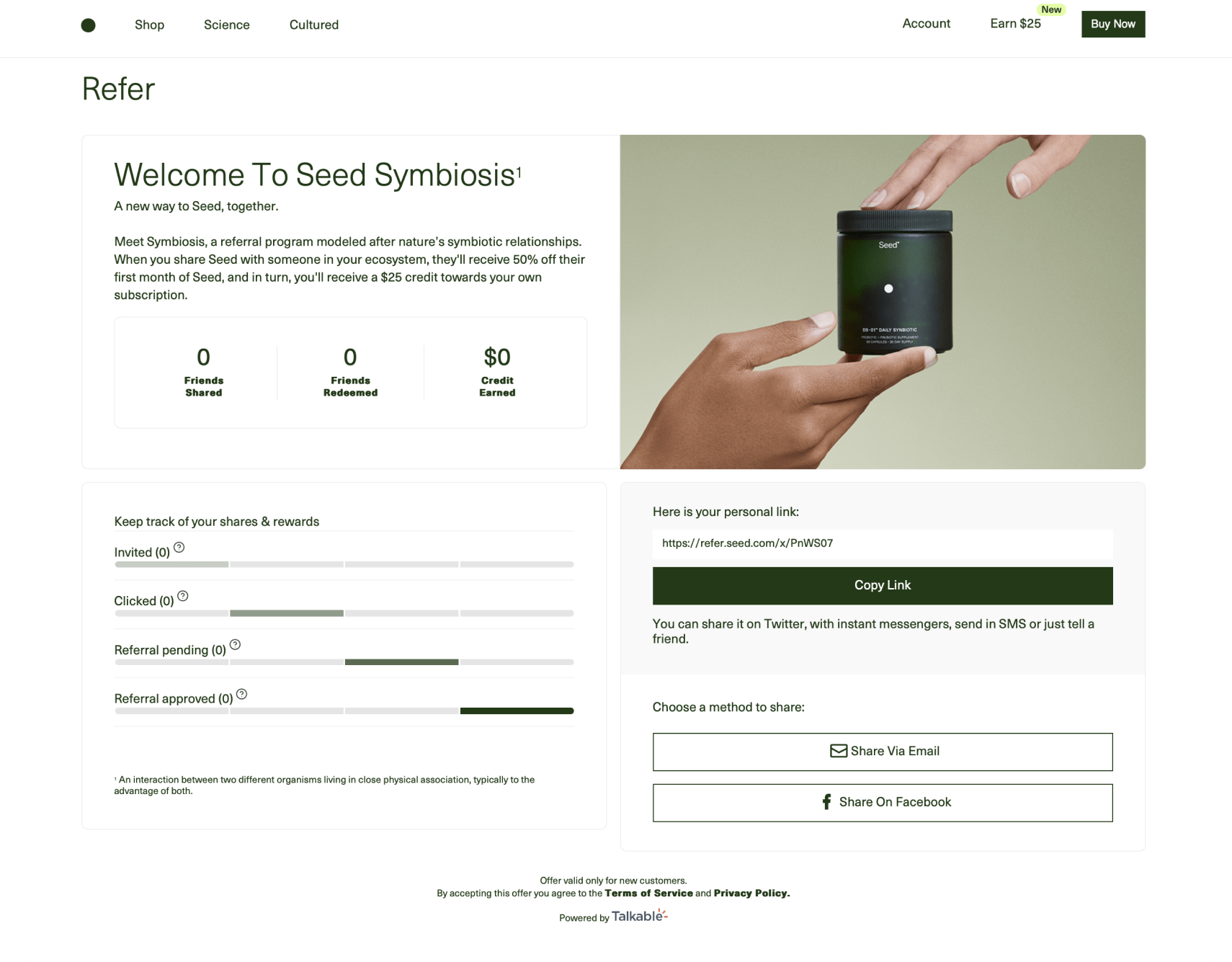
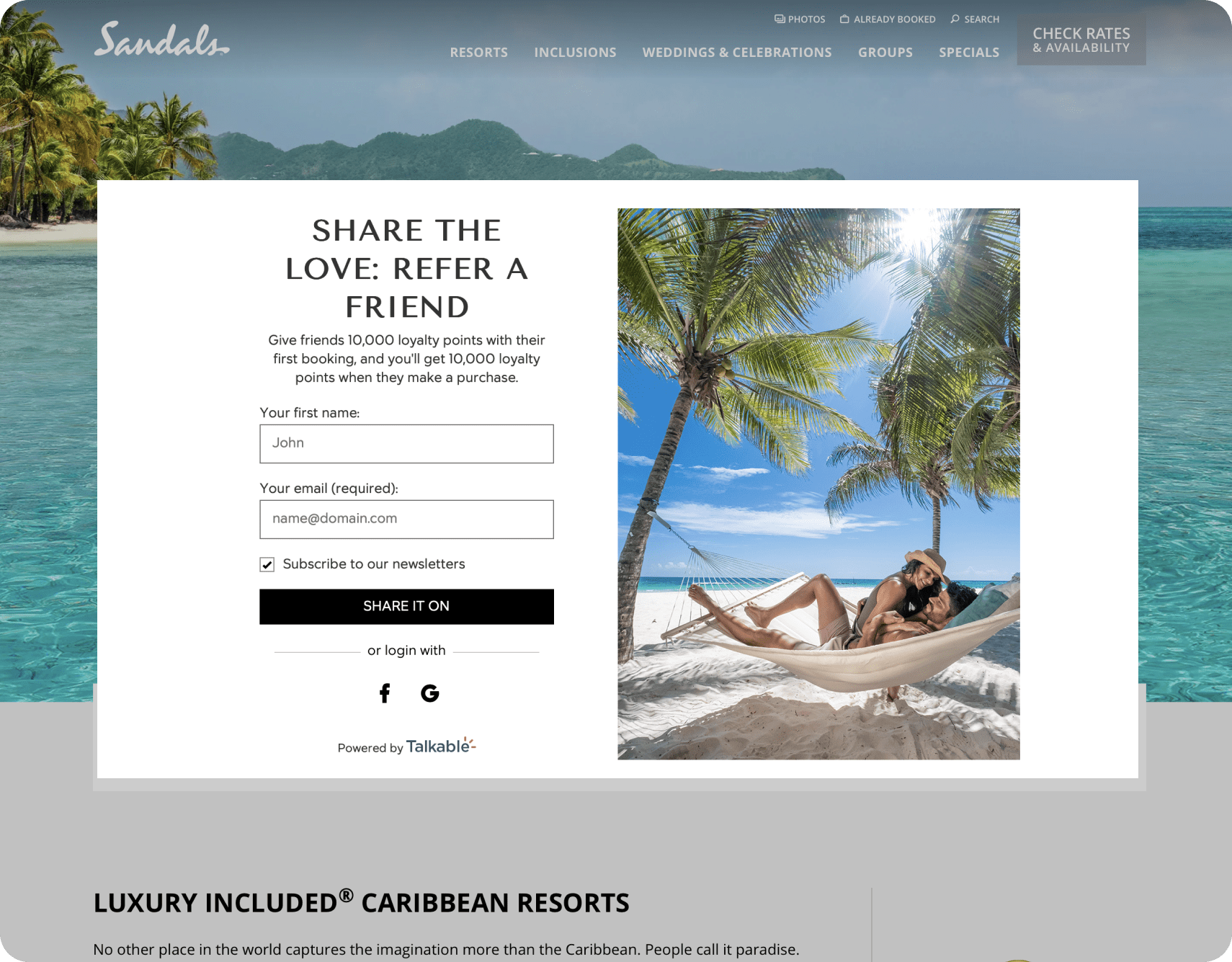
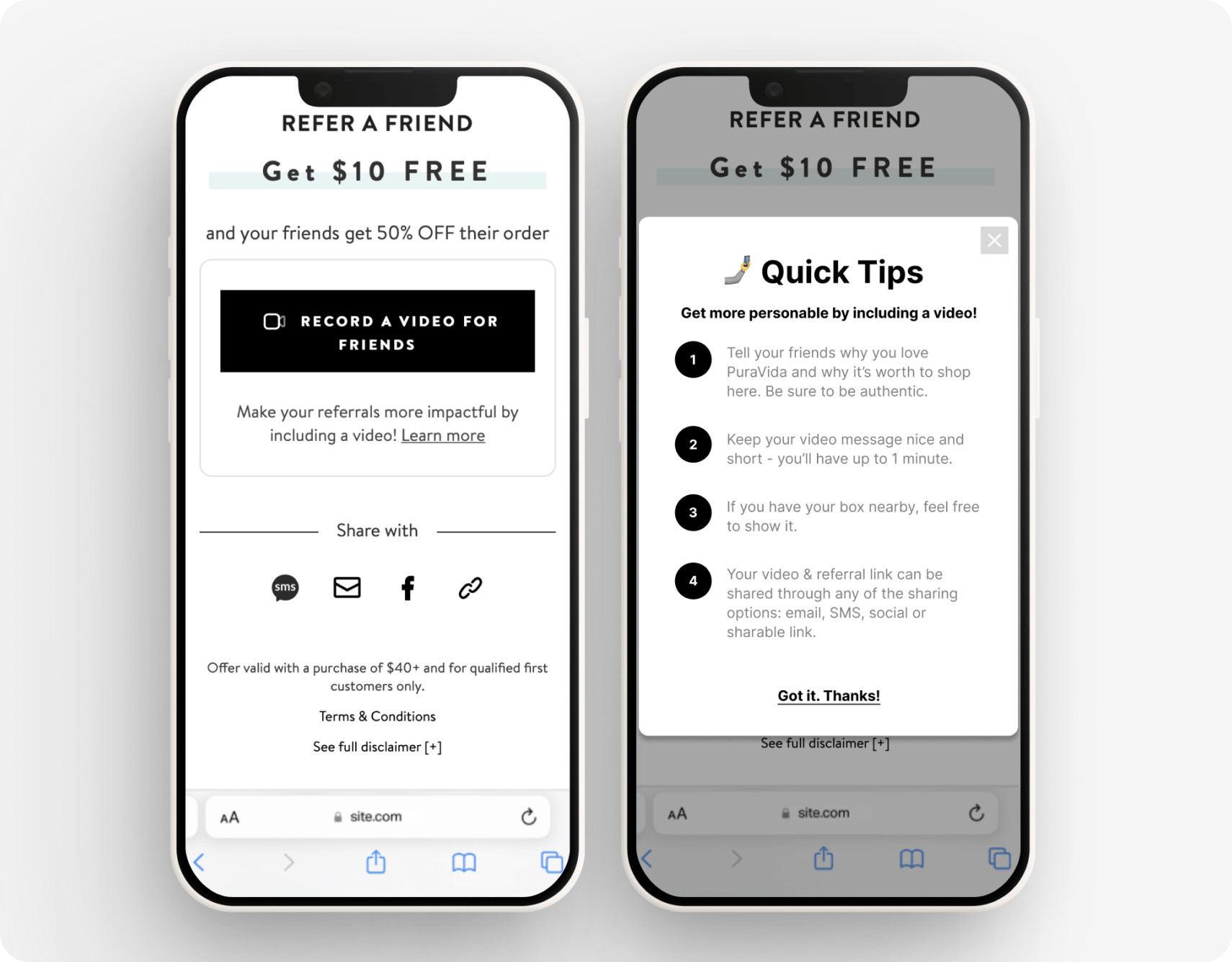
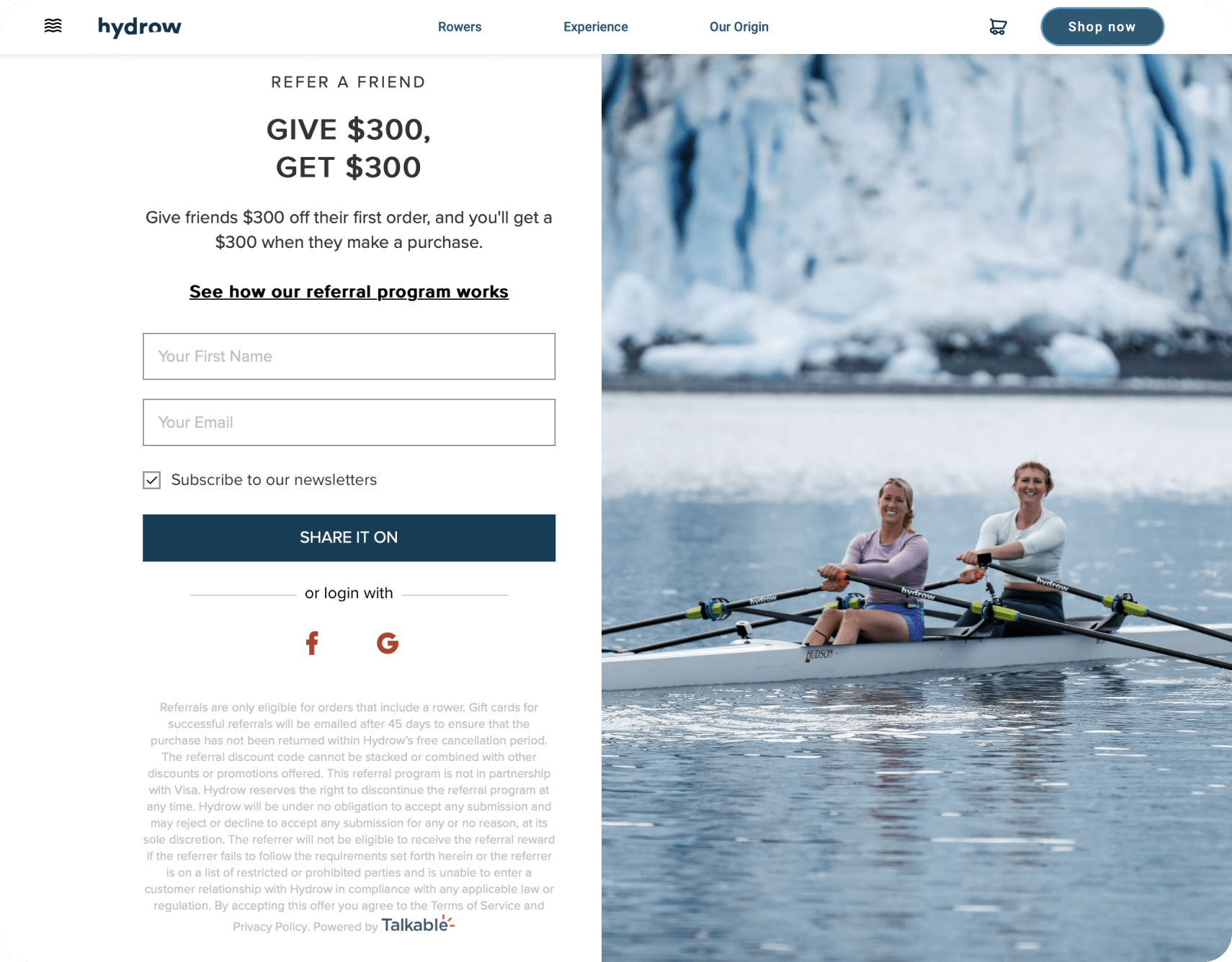

Create stunning campaigns that are proven to convert. Talkable’s platform allows brands to quickly adapt to the seasonality of their business without engineering support. Talkable’s Customer Success team will help you ideate, design and launch new campaigns.
Ready to Launch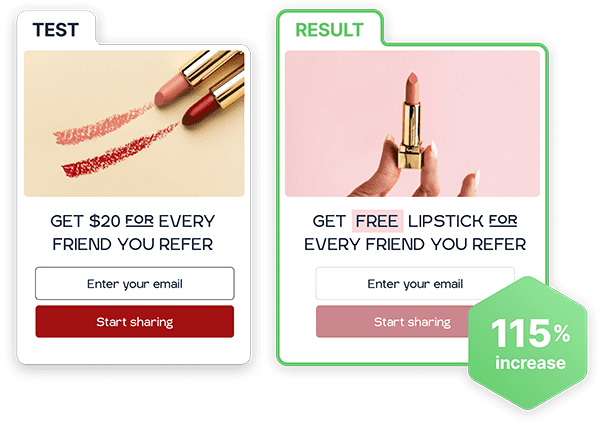
Easily launch experiments to test reward offers, campaign placements and designs to determine the highest-performing campaign configurations. Talkable’s Customer Success Managers is also an extension of your team and here to help strategize and monitor your campaign testing.
Ready to Launch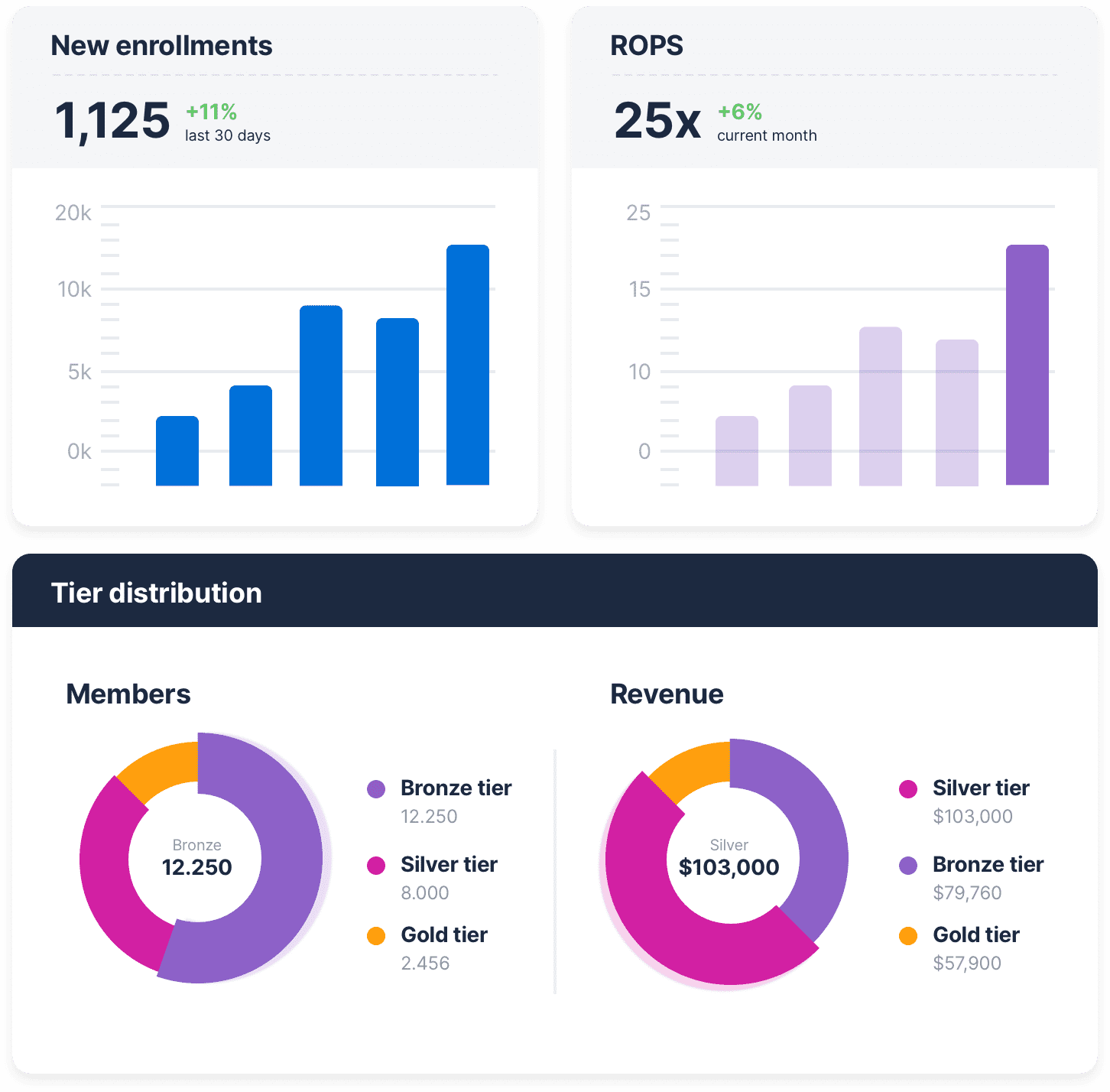
Access to in-depth reporting and analytics, marketers will have a clear insight into program performance and ROI. Talkable’s detailed dashboard allows brands to optimize every step of the referral journey.
Ready to Launch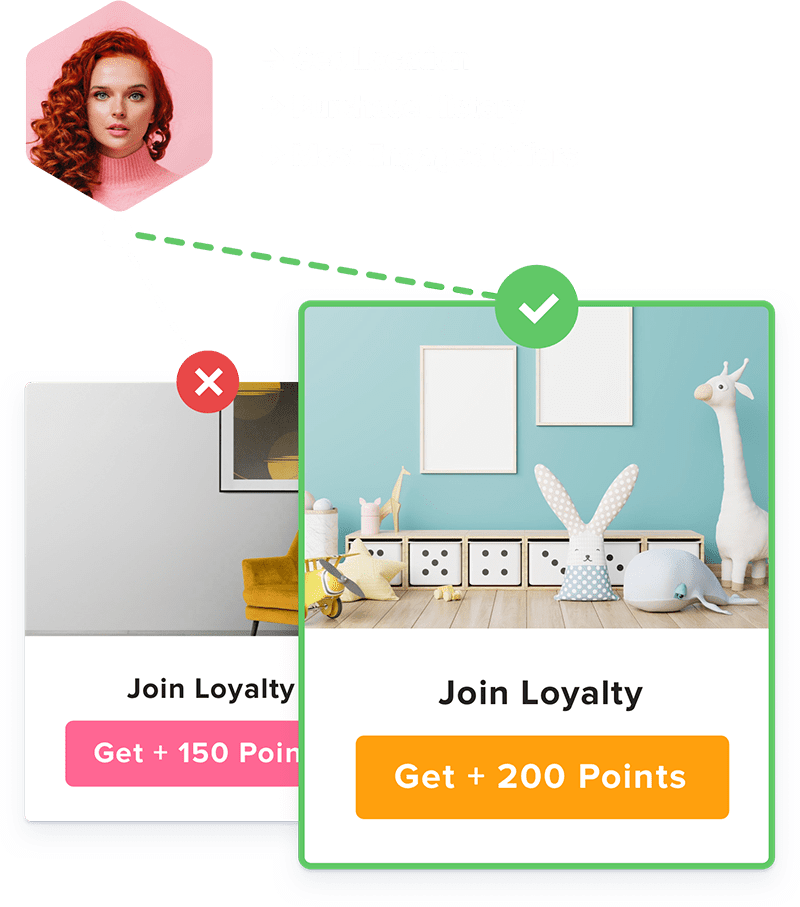
Target various customer audiences based on behavioral and purchase insights and serve personalized offers or rewards to make your campaigns more effective.
Ready to Launch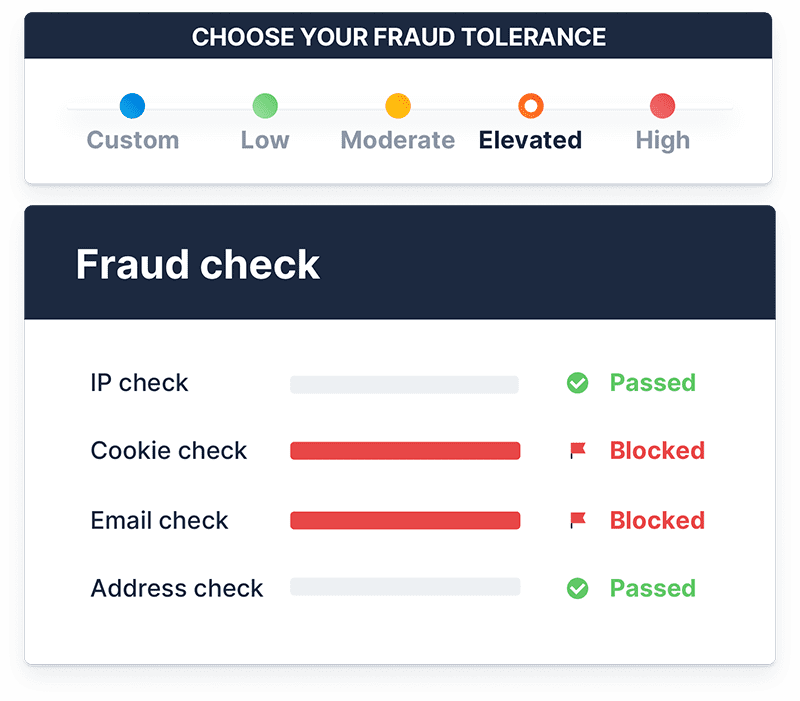
Talkable has been in the business of referral marketing for over a decade, and over that time we have perfected our fraud management algorithm. During this time, we have saved customers over $100M in fraudulent referrals.
Ready to Launch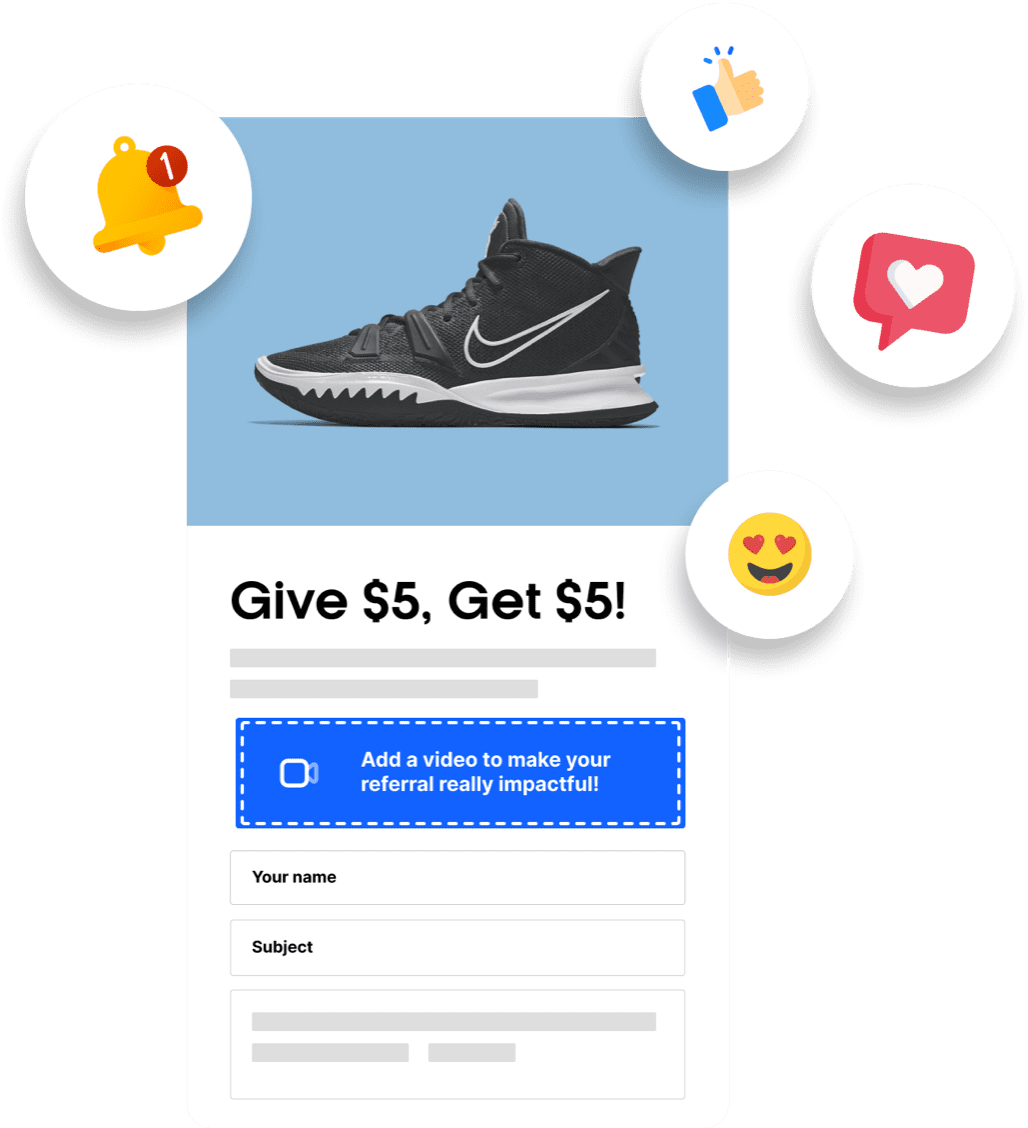
Bring your campaigns to life with video enabled referrals. Talkable Video is an innovative and authentic approach for increasing your referral revenue and taps into your existing customers to provide a library of unlimited video UGC to leverage across other marketing channels.
Ready to Launch
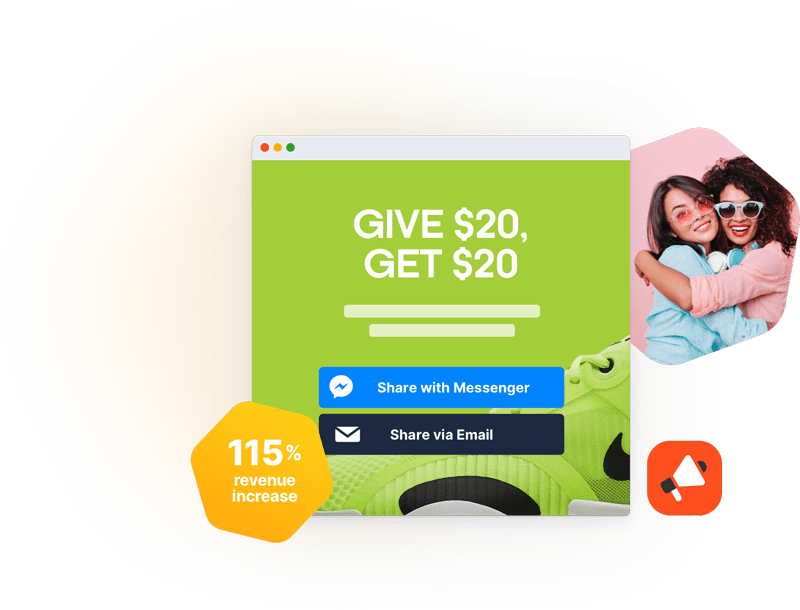
Segment your audience, serve-up high converting offers and rewards, and transform your customers into revenue generators. Only Talkable has a proven track record of growing top retail and eCommerce brands.
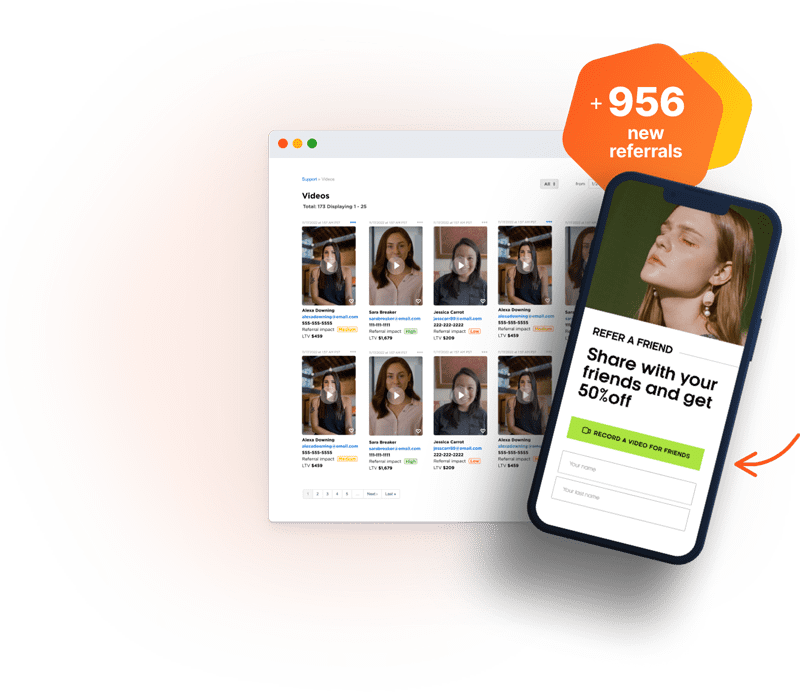
Increase referrals when you enable user generated video referrals to your referral marketing campaigns. Forget UGC, get access to authentic customer generated content (CGC) with an unlimited library of your real customer referral videos.
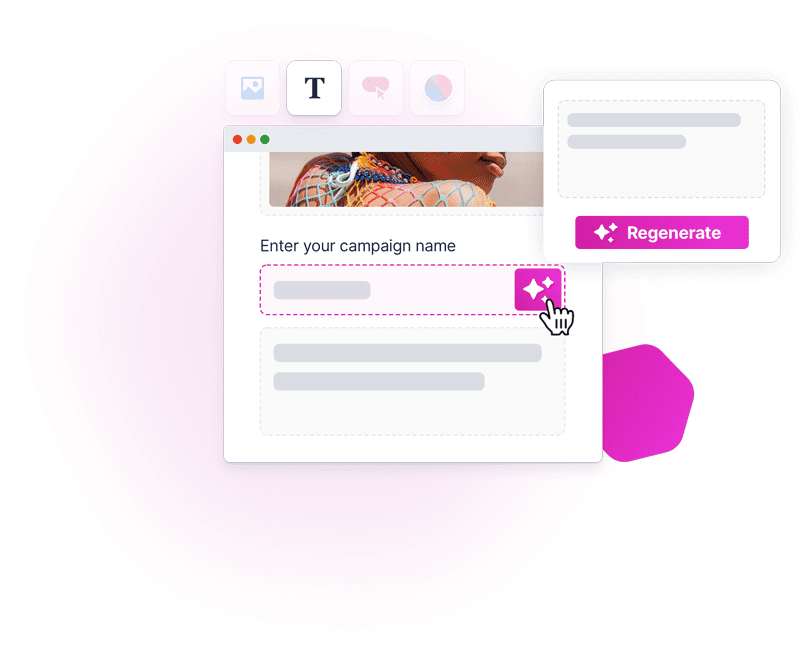
Talkable has a relentless mission to innovate the eCommerce and referral marketing space. Add AI to your referral marketing campaigns. Streamline the referral marketing journey and customer experience with AI generated notes.
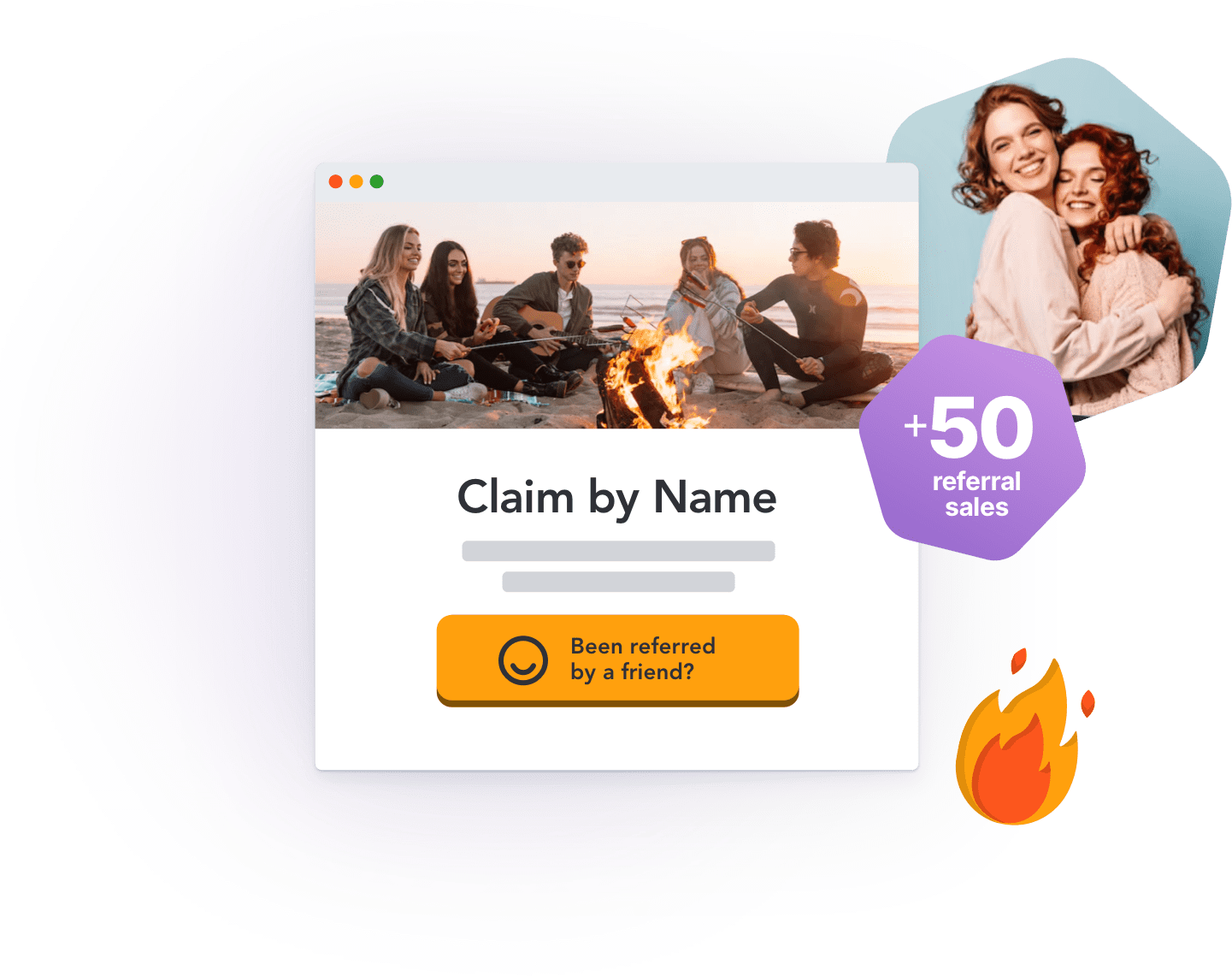
Increase referral engagement and drive up to 50% more referral sales when you add a personal touch. Make it even easier for your strongest advocates to share your brand with just their influencer tag or name.

Talkable was able to bring our vision to life when it came to creating a loyalty program, unlike anything which exists today in the aesthetic industry.


Talkable Team are ALWAYS there to make it work, provide valuable feedback on driving incremental value to both our customers and our organization and simply a pleasure to get to collaborate with.


The Talkable team truly cares about your success, including regular performance check-ins and offering recommendations for success. We’ve been very happy with our experience so far!


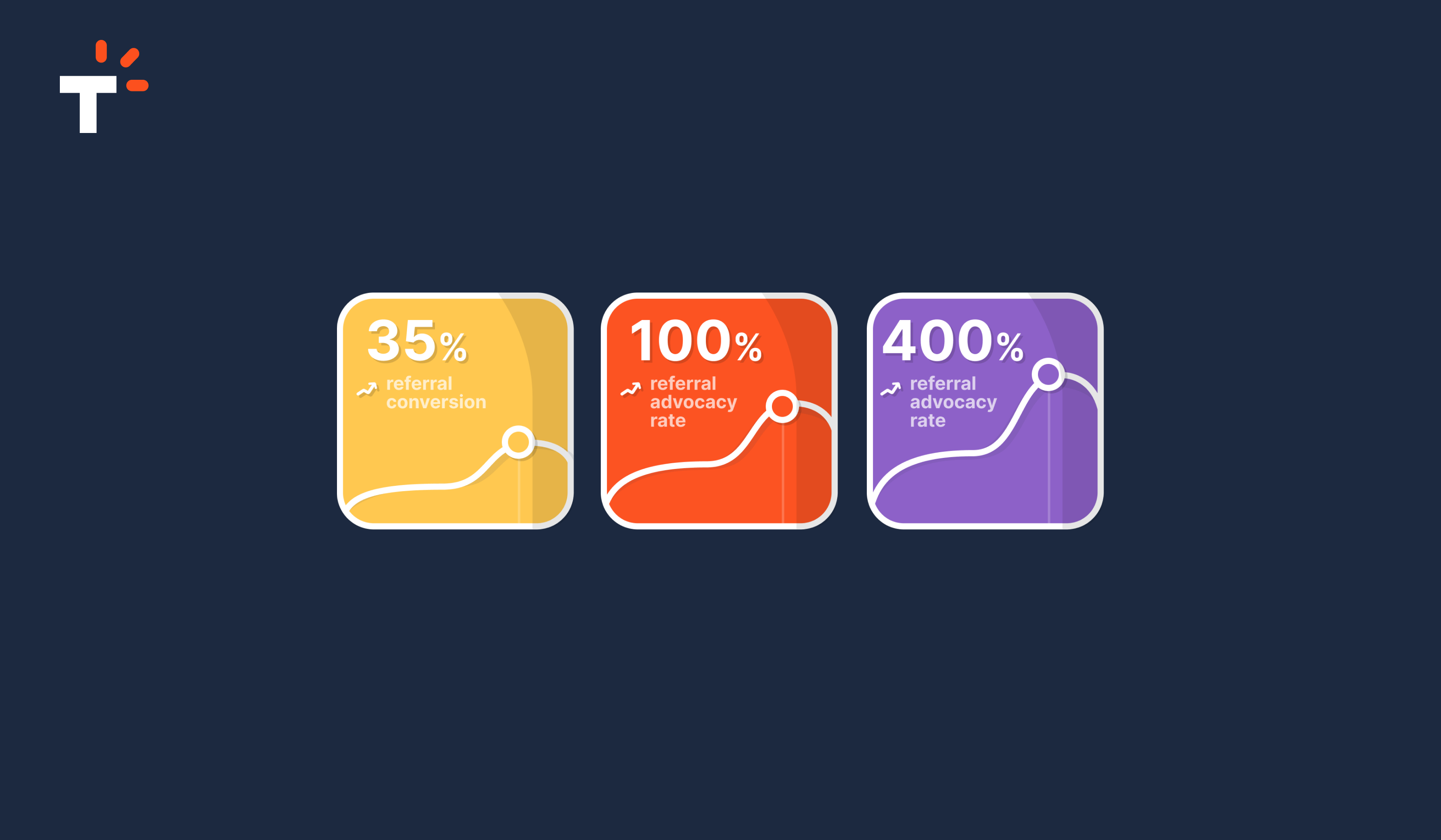
You’re not making it easy for your most engaged consumers to share their love of the brand. We can fix that. "I love that we can reward our customers…
Read full case study


Global support isn’t just an added feature—it’s the foundation of our service. We excel in managing complex logistics across languages,…
Read the Article
We’re thrilled to share some exciting news from the team at Talkable! Our relentless commitment to providing exceptional services and…
Read the Article
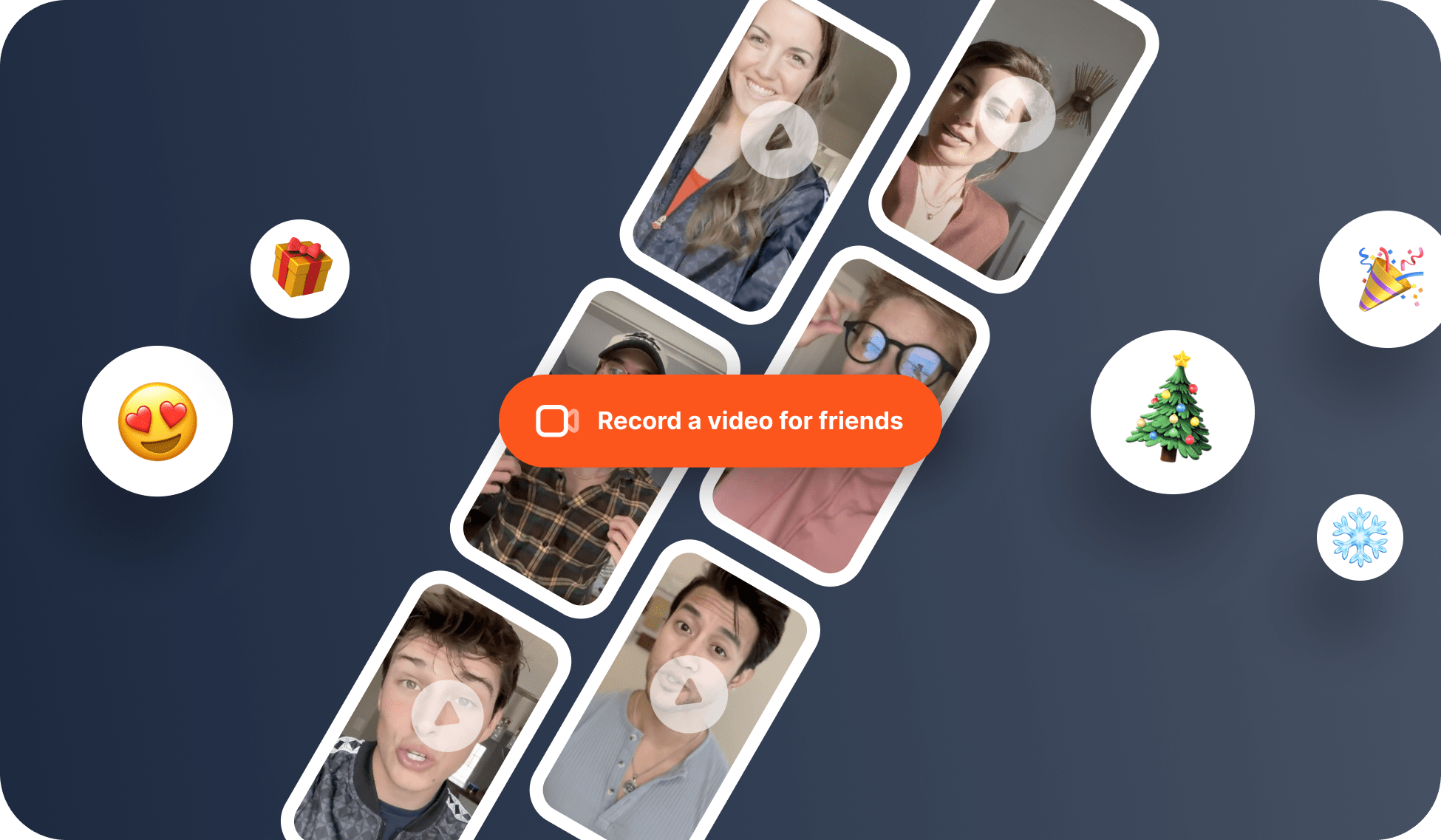
Unlocking the Power of Video Referrals & Customer Generated Content Talkable Video: Our newest addition, Talkable Video, is revolutionizing the…
Read the Article